
In a now-famous experiment, researchers handed half the people in a room a coffee mug and gave the other half nothing. Then they opened a market: the owners could sell their mugs, and the others could buy one. By any rational account the two groups should have landed on a similar price, since who happened to receive a mug moments earlier was pure chance and told you nothing about what the mug was worth. Instead the owners demanded roughly twice what the buyers were willing to pay. The mug hadn't changed. The people hadn't changed. The only thing that had changed was who held it. A few minutes of ownership had doubled the perceived value of an object that everyone in the room could see was identical.
This is the endowment effect—the moment something becomes yours, it quietly becomes worth more to you than the very same thing would be if you didn't own it. The change isn't in the object; it's in your relationship to losing it. Once you hold something, parting with it registers as a loss, and the mind treats losses as far heavier than the equivalent gains, so the price of letting go climbs above any price you'd ever have paid to acquire it. You are not valuing the thing. You are valuing the pain of giving it up—and calling that pain the object's worth.
For years I held on to possessions, commitments, and beliefs long past the point they served me, certain their value was real when what I was really feeling was the sting of letting go. Learning to ask what I'd pay for something today—rather than what it would cost me to release it—changed how I decided what to keep in every corner of my life. If you're ready to loosen your grip on the things that only feel precious because they're yours, I've gathered what genuinely helped me.
Explore Here →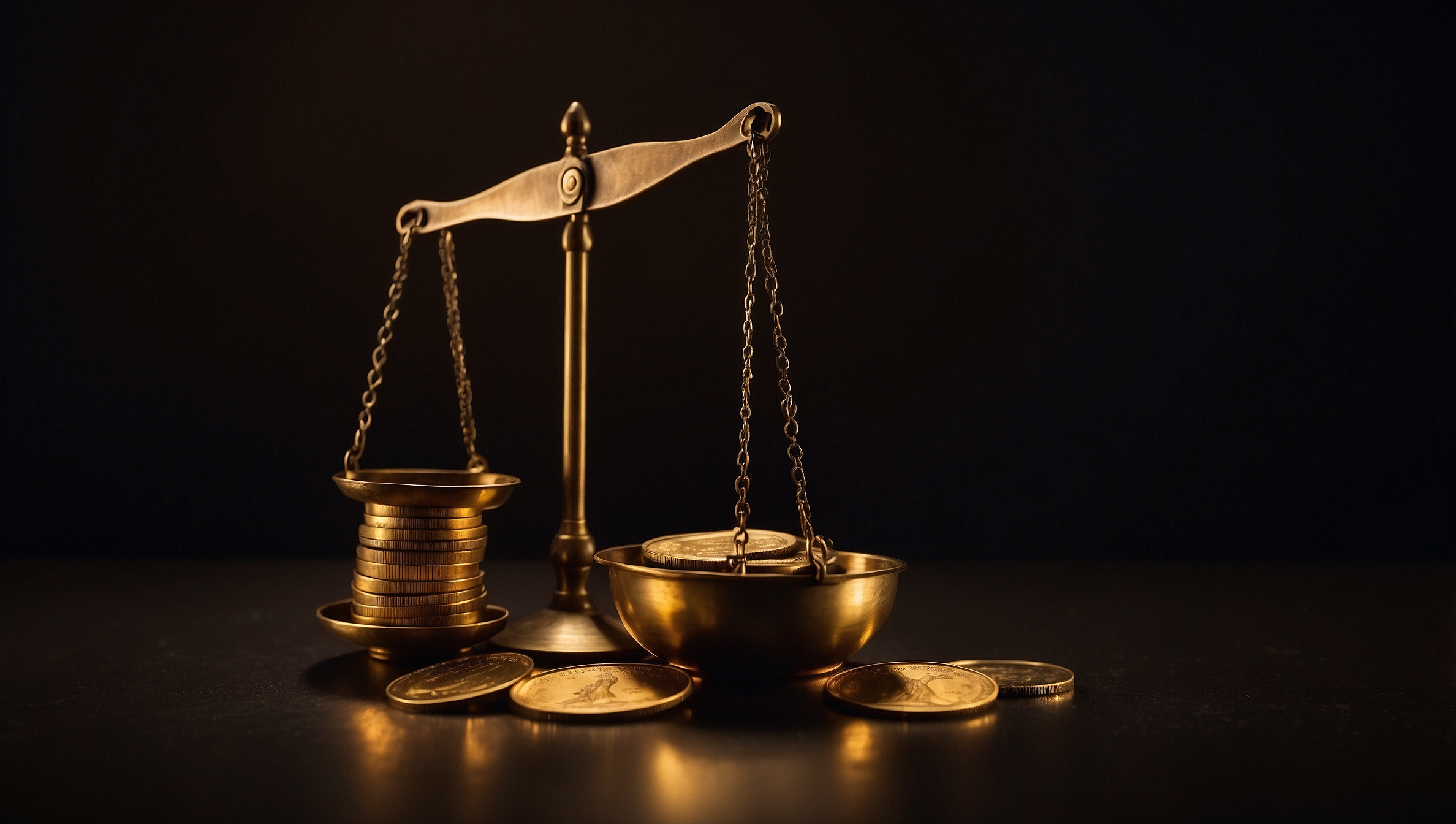
Why Ownership Inflates Value
At the root of the endowment effect is an asymmetry the mind applies to almost everything: losing something hurts about twice as much as gaining the same thing feels good. This is loss aversion, and once you own an object, every possible trade is reframed around it. Selling isn't gaining money—it's losing the thing, and the loss looms larger than the cash could compensate. So you set a price that reflects not what the object is worth on the open market but how much it would ache to let it go. The endowment effect isn't really about ownership—it's loss aversion wearing ownership as a disguise, inflating the value of whatever happens to be in your hands.
What deepens the effect is how quickly the mind folds a possession into its sense of self. Almost the instant something is yours, it stops being a neutral object out in the world and becomes part of your territory, your identity, your story. Giving it up then feels less like a transaction and more like a small amputation—a piece of you leaving. This is why people grow attached to things they've barely used, and why even a mug held for ten minutes acquires a value its history could never justify. The moment a thing crosses the line into mine, defending it becomes defending yourself—and you'll overpay to keep what you've quietly mistaken for a part of you.
There's an evolutionary logic underneath it. For most of human history, what you possessed was what kept you alive—food, shelter, tools, territory—and giving something up could be fatal in a way that failing to acquire more rarely was. A mind tuned to guard what it already held, even at the cost of missing better opportunities, would have survived more reliably than one that treated every possession as freely tradable. The instinct that overvalues what you own is the same instinct that once kept you from bartering away the knife you'd need come winter. The bias isn't a flaw so much as an old survival reflex—protect what you hold—misfiring in a world where most of what you hold you could easily replace.
And the effect doesn't wait for legal ownership; the mere sense of possession is enough. Touch a product in a store and you're more likely to buy it; hold something for a few days on a free trial and giving it back starts to feel like a loss; imagine a house as yours during a viewing and its price quietly rises in your mind. Marketers know this intimately, which is why so much of commerce is built on getting the thing into your hands, your cart, your home before any money changes hands. Possession is not a legal state but a psychological one—and the instant your mind whispers mine, the price you'd demand to give it up has already begun to climb.
What Overvaluing Your Own Costs You
The most visible cost is a house that slowly fills with things you would never buy again. Every drawer of clothes you don't wear, every gadget you don't use, every book you'll never reopen stays because throwing it out registers as a loss, even though you'd pass it by without a second look in a store today. The endowment effect turns decluttering into a series of tiny griefs, and so the clutter wins by default. Most of what you own, you keep not because you'd choose it again but because it's already yours—and letting go feels like losing something, even when keeping it costs you more.
It quietly warps every negotiation and sale. Anyone who has tried to sell a car, a home, or a business knows the strange gap between what the owner believes it's worth and what the market will actually pay—a gap made of memories, effort, and the ache of parting, none of which the buyer can see or is willing to fund. The seller feels cheated; the buyer feels gouged; and the deal that should have closed collapses over a difference that exists only inside one person's head. The price you'd accept to part with something and the price a stranger would pay for it are two different numbers—and confusing your attachment for its value is how good deals quietly die.
Far more costly is what it does beyond objects, because the same reflex governs how you hold on to jobs, relationships, and paths. A role you'd never take today keeps you because leaving feels like losing what you've built; a relationship you wouldn't now enter holds you because ending it means giving up years already spent. The endowment effect and the sunk cost fallacy braid together here—you overvalue what's yours precisely because it's yours, and the exit that any outsider would call obvious feels, from the inside, like self-amputation. The most expensive things the endowment effect makes you cling to aren't in your closet—they're the commitments you keep pouring your life into only because you already have.
And it reaches all the way into your beliefs. An opinion you've held becomes your opinion, and surrendering it in the face of better evidence feels like a loss of face, of identity, of something owned—so you defend ideas the way you'd defend property, long after you'd have declined to adopt them fresh. This is part of why people cling to conclusions they'd never reach today: the belief isn't just wrong, it's theirs. You don't only endow objects with inflated worth—you endow your own ideas the same way, and the hardest thing to let go of is a belief you've started to mistake for a possession.
Once I understood that I was clinging to things, roles, and opinions simply because they were already mine, I started asking a single disarming question—would I choose this again today?—and watched how much of what I was defending quietly failed the test. It wasn't about giving everything up; it was about telling real value apart from the fear of loss. These are the resources that helped me learn to hold what's mine a little more lightly.
Explore Here →
Learning to Hold Things Lightly
You can't switch off loss aversion, but you can neutralize the ownership frame with a single reversal. For anything you're clinging to—an object, a subscription, a commitment—stop asking what would I take to give this up? and ask instead if I didn't already have this, exactly how much would I pay to get it right now? The two questions should have the same answer and almost never do, and the gap between them is the endowment effect made visible. The buyer's question strips away everything but the thing's real worth to you—and most of what you're gripping quietly loosens the moment you ask what you'd actually pay for it today.
A second practice is to picture the loss as already complete. Instead of standing on the near side of parting and feeling the pull to hold on, imagine the thing is already gone—sold, ended, given away—and ask honestly how much you'd miss it a month from now. Usually the answer is far less than the present ache suggests, because the pain of letting go is loudest in the instant of release and fades fast afterward. The grip you feel is a spike, not a permanent cost—and imagining the loss already behind you shrinks it back to its true, much smaller size.
It also helps to separate the memory from the object. Much of what makes possessions hard to release is that they seem to hold experiences, people, and versions of yourself—but the memory lives in you, not in the thing, and it survives the object's departure intact. You can honor what something meant and still let the physical item go, because keeping the mug was never what kept the moment. The value you feel is often a memory wearing the object's face—and once you see that the memory is yours to keep regardless, the thing itself becomes far easier to release.
And turn the same lens on the commitments and beliefs you're holding, where the stakes are highest. Ask of the job, the relationship, the long-held opinion: knowing only what I know now, would I choose to begin this today? If the honest answer is no, then what's keeping you isn't its value—it's the fact that it's already yours, and that reason feels far more compelling from the inside than it deserves to. The question isn't whether you'd feel a loss letting go—you always will—but whether you'd choose it fresh; and a life spent keeping only what you'd choose again is a life the endowment effect never gets to quietly run.
Ultimately, living well with this bias is about developing a lighter grip—an ability to tell the genuine worth of a thing apart from the mere fact that it happens to be yours. The goal isn't to become detached or to give everything away; it's to stop letting ownership alone inflate value, so that what you keep, you keep because it's truly worth keeping. The freest people aren't the ones who own the most or hold on the hardest; they're the ones who can let go of what no longer earns its place. Almost everything you own, you'd walk past in a store today. Knowing which few things you'd reach for anyway—and releasing the rest without mistaking the ache for their value—is how you stop being quietly owned by the very things you think you own.
If almost everything you're holding on to—the possessions, the commitments, the opinions—is worth more to you only because it's already yours, how much of your life is shaped not by what you truly value, but by how much it hurts to let anything go?
Your mind has spent your whole life inflating the worth of whatever it holds—objects, roles, beliefs—not because they earned it, but because losing them hurts more than gaining them ever helped. If you're ready to stop mistaking the fear of loss for real value, and to build a clearer, lighter relationship with what you choose to keep, start here.
Explore Here →