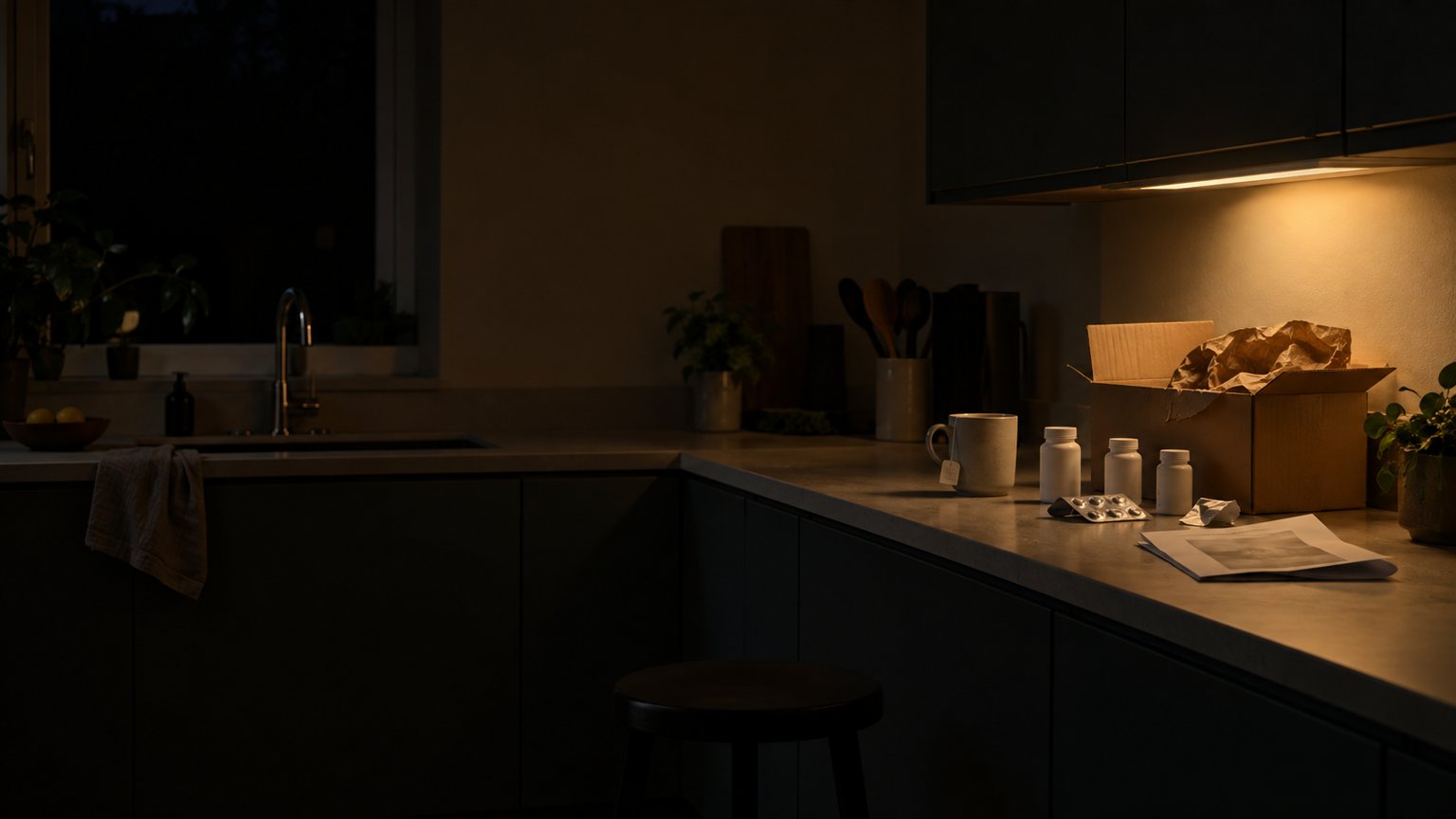
A flare changes how you search. On a normal week you might read an article properly. On the second night of a flare, at quarter past eleven, you have six tabs open and you're scanning each one for a single thing you haven't tried yet.
By midnight you've ordered something. You've decided to cut dairy, and gluten, and coffee, starting tomorrow. You've made a tea you don't much like. And you've taken on a quiet job for the rest of the week: watching your gut to see whether any of it is working.
So people type IBS flare-up treatment into a search bar. Not because they want a lecture on what IBS is. Because they want this to stop, and they want to be doing something about it.
Wanting to do something is healthy. The trouble starts when you do everything at once, and a week later you can't tell what helped. A simple log fixes that, and it's the first thing the workbook sets up.
Get the Mind-Gut Reset Workbook →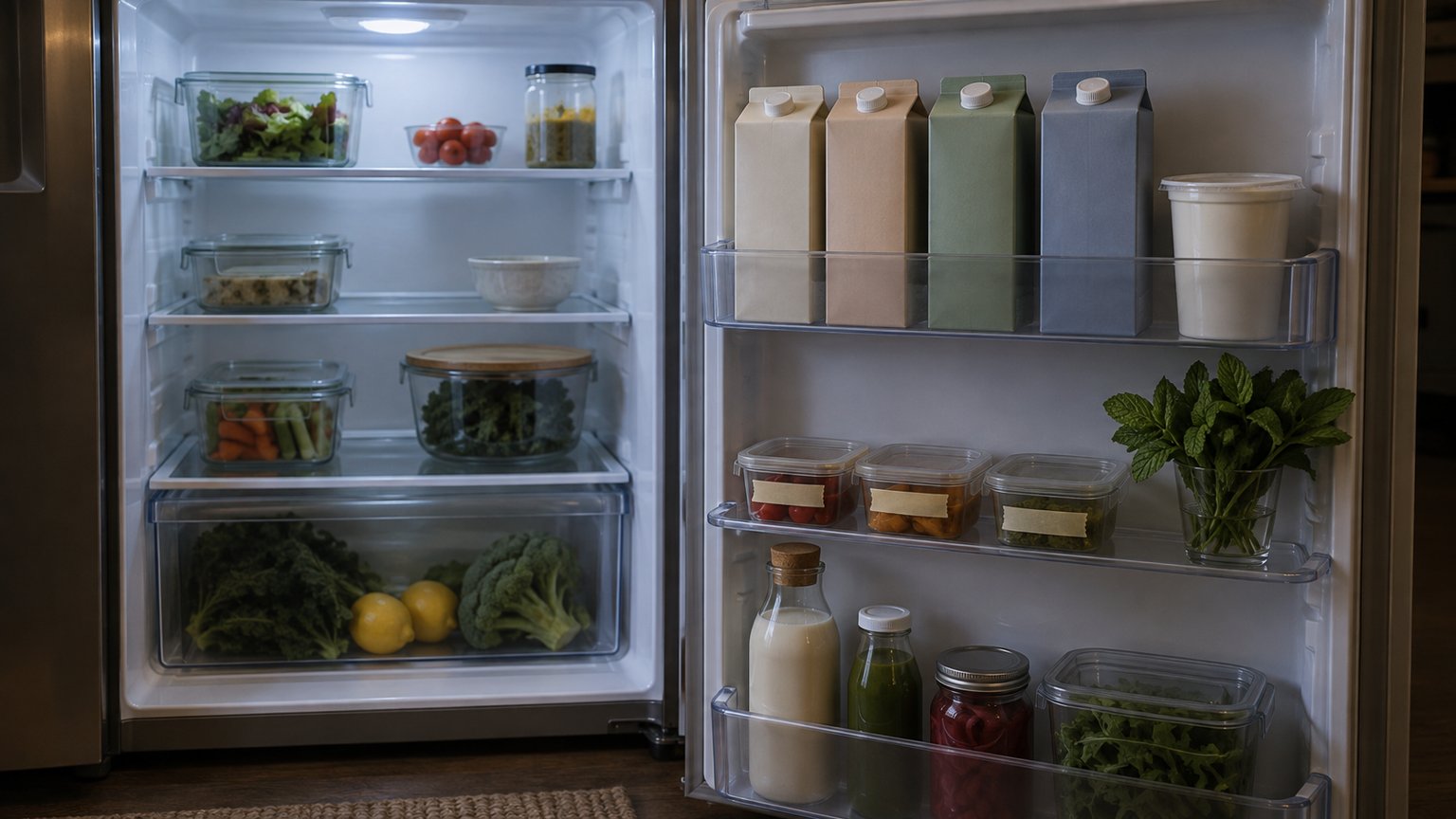
Why a Flare Makes You Try Everything at Once
Pain and urgency feel like an emergency, even when they aren't one. Your nervous system treats them the way it treats any threat: act now, act on everything, sort out the details later. That's a useful instinct when something is chasing you. It's less useful when the thing you're trying to fix changes from day to day by itself.
IBS flares tend to rise, peak and ease over days. So whatever you started on the worst night has a good chance of being in place on the morning things turn. The tea gets the credit. Or the cut-out food does. Or the capsule. And next flare you do all of it again, plus whatever you add this time.
This is how a list of foods you no longer eat grows longer, and a cupboard fills with things you aren't sure about. Not because you were careless. Because you changed five things in a panic, and a panic doesn't keep records.
What IBS Flare-Up Treatment Actually Looks Like
There is no single cure for IBS, and nothing on this page replaces a doctor who knows your history. But treatment does exist, and it's worth knowing what it tends to include, so the midnight search isn't your only source.
- Medicines your doctor may suggest, matched to your type of IBS. Antispasmodics for cramping, peppermint oil capsules, something for diarrhoea or for constipation depending on which way your gut swings, and sometimes a low dose of a medicine that calms the gut's pain signals. Which of these, if any, is a decision for you and your doctor. If you already have something prescribed, keep taking it as agreed.
- Food changes, done slowly and with a plan. A dietitian-guided approach such as the low-FODMAP diet cuts foods for a short time and then brings them back one by one. The bringing back is the part that makes it work, and it's the part that gets skipped.
- Treatments aimed at the gut-brain connection. Gut-directed hypnotherapy and cognitive behavioural therapy for IBS have been studied properly and are offered in some IBS clinics. They're not a sign anyone thinks your symptoms are in your head. They work on the signals between your gut and your brain, which is where much of IBS pain gets turned up.
- The ordinary things that matter more than they sound. Regular meals, enough sleep, some gentle movement, and time to use the toilet without rushing.
None of these work overnight, and none of them work if you start and stop them in the same week.

What Helps Tonight, While It's Happening
The treatments above are for the longer run. During the flare itself, the goal is smaller: get through the evening with as little extra strain on your body as you can.
- Warmth on your belly. A warm pack or a bath eases cramping for plenty of people with IBS. It won't change what the flare does. It makes the hours easier.
- A slow walk, if you can manage one. Ten minutes at an easy pace can help a gut that's cramping or stuck. Not a workout.
- A long breath out. Breathe in for about four, out for about six or seven, for a few minutes. A longer exhale tells a braced nervous system it can stand down a notch. It isn't a treatment. It's a way of not adding to it.
- Small, plain, regular food. Skipping meals all day and then eating a big dinner on a sore gut often makes the night worse.
- One new thing, not five. If you want to try something, choose one, write down the day you started, and give it long enough to judge.
- Close the tabs. Searching for a fix at midnight keeps you alert, and an alert body has a faster, touchier gut.
Two lines each evening: what your gut did, and what you changed. That's all it takes to stop guessing. After a few flares, you'll have your own record of what actually helps you, not what helped a stranger online.
Get the Mind-Gut Reset Workbook →When It's Not an IBS Flare
Home comfort is for IBS you've already been diagnosed with. Some symptoms need a doctor, not a better routine.
Contact your doctor soon if you have:
- Blood in your stool, or black, tarry stools.
- Weight loss you didn't intend.
- A fever alongside your gut symptoms.
- Pain that wakes you up, or keeps getting worse.
- Diarrhoea that wakes you in the night.
- Vomiting, or symptoms that feel different from your usual pattern.
And a clear line, because the words get mixed up online: IBS is not inflammatory bowel disease. Crohn's disease and ulcerative colitis are the two types of IBD, and a flare there means inflammation that needs medical treatment. If you live with Crohn's or colitis, the treatment for a flare comes from your IBD team. Call them rather than working through a list of home remedies. The comfort measures above can make the evening easier alongside that care. They don't replace it.

Knowing What Helps You
Imagine Tom, who has had IBS for eight years. His first few flares went the same way every time: a late night of reading, three new things started at once, a week of watching. When the flare eased, he kept all three, just in case. His list of things he didn't eat got longer every year.
Now he does it differently. On the first evening of a flare he writes the date and one line about the week before it. He keeps taking what his doctor prescribed. He uses heat, a short walk after dinner and a long breath out, and he chooses at most one new thing to try. Some flares still last a week. But he knows what helps him now, and he has started eating a few of the old foods again.
Getting through a flare isn't about finding the right product. It's about getting through the next few evenings and still being able to tell afterwards what made a difference.
If your next flare eased tomorrow, would you know what helped?
If every flare sends you back to square one, you don't need more remedies. You need a record. The Mind-Gut Reset Workbook gives you 30 days of simple tracking and regulation practice, alongside whatever your doctor has you on.
Get the Mind-Gut Reset Workbook →