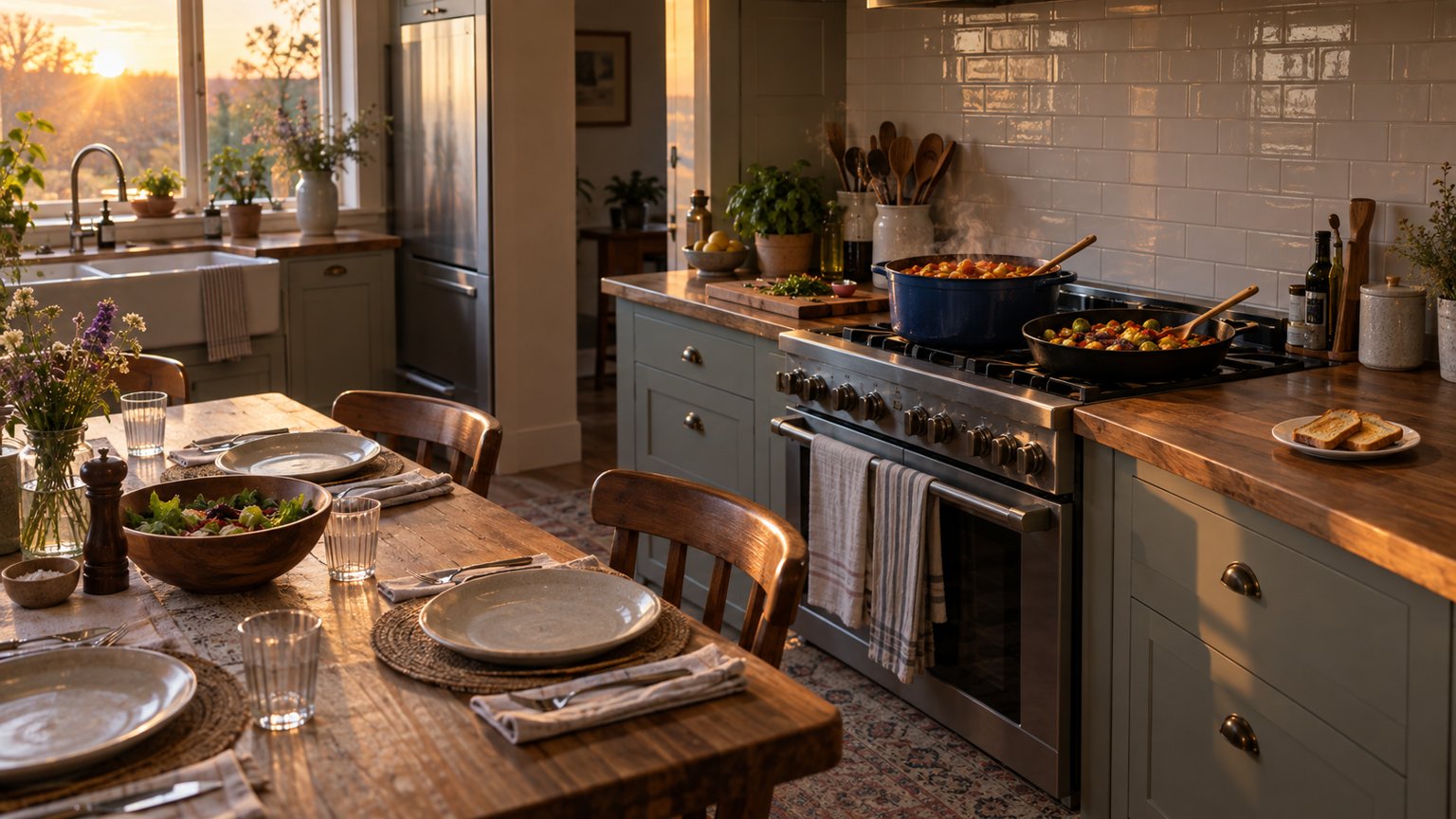
There's a particular kind of standing in the kitchen that only happens during a flare. You're hungry, or you think you are. You haven't eaten properly since yesterday. The fridge is full of normal food, and every single thing in it looks like a risk.
So you make toast. Plain, dry toast. You eat half a slice, wait to see what your stomach does, and put the rest down. And later, lying on the sofa, you type the question into your phone: what to eat during an IBS flare-up?
The food part of the answer is fairly short. The part nobody mentions is why eating gets so frightening in the first place, and what that fear does to the days after the flare ends.
The flare hits and the menu collapses to crackers and tea. At first it feels temporary and careful. Then the flare passes, but the fear stays, and weeks later the safe list is still shrinking. The body may be calmer while the worry around food keeps the restriction going.
Get the Mind-Gut Reset Workbook →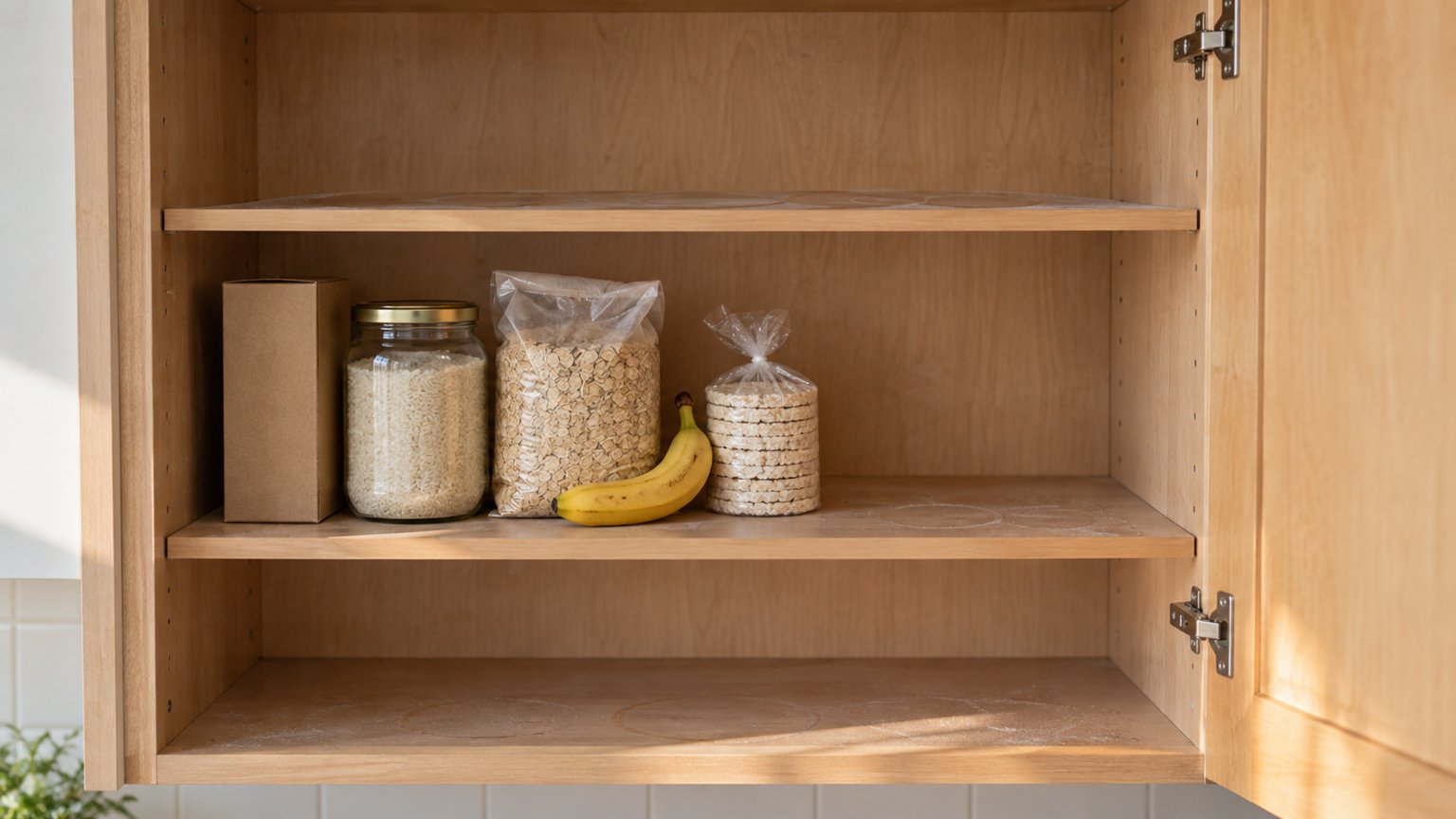
The Short Answer: Small, Plain and Familiar
There is no single IBS flare diet, and anyone selling you one is guessing about your gut. But the advice people with IBS are commonly given, and what many find works for them, comes down to a few simple ideas.
- Eat small amounts, regularly. Three small meals and a couple of snacks tend to sit better than one large meal after a day of nothing.
- Choose simple, cooked, familiar food. Things like rice, oats, potatoes, eggs, plain chicken or fish, and well-cooked vegetables such as carrots. The best choices are the ones you already know your own gut tolerates.
- Go easy on the usual suspects. Many people find large fatty meals, a lot of coffee, alcohol, fizzy drinks and very spicy food make a flare louder. Some also react to foods high in certain fermentable carbohydrates, like onion, garlic, beans and some fruits.
- Keep drinking water. Especially if diarrhoea is part of your flare.
If you've heard of the low FODMAP diet, it's worth knowing that it is meant to be a short, structured process done with a dietitian, not a list of foods to cut out forever. Done alone and open-ended, it can leave you eating very little for a very long time.
And a clear line, because the words get mixed up online. A Crohn's or ulcerative colitis flare is a different thing. Those are types of inflammatory bowel disease, and what you should eat during an IBD flare depends on your own situation. Some people with Crohn's, for example, are told to avoid certain high-fibre foods that would be fine for someone with IBS. If you have Crohn's or colitis, follow what your IBD team or dietitian has told you, and call them when a flare starts.
Why Eating Gets Frightening During a Flare
The gut and the brain are in constant conversation, in both directions. During a flare, your gut is more sensitive than usual, so ordinary things like food moving through, a bit of gas, or a meal stretching your stomach can register as discomfort or pain. That's not imagined. It's what a sensitive gut does.
At the same time, your nervous system is on alert. It's watching. And a body on watch does something unhelpful: it links whatever you ate last to whatever you feel next. You have a yoghurt at lunch, your stomach cramps at three, and your brain files it away as "yoghurt did that", even though the flare was already running before you opened the pot.
Do that for a few days and the list of foods that feel dangerous grows quickly. Not because they all are, but because a flare gives your brain a lot of pain to explain and very little information to explain it with.
The Safe List That Keeps Shrinking
Most people respond to that fear in a way that makes complete sense in the moment. They eat less, and they eat fewer things.
Skipping meals feels safer. But an empty stomach all day often means a larger meal in the evening, which a sore gut handles worse. It also means low energy, poor sleep and a shorter temper, all of which a sensitive gut tends to pick up on. Many people notice they feel more anxious, not less, on the days they barely eat.
The bigger cost comes later. The safe list that shrinks during a flare doesn't grow back on its own. Foods that got crossed off in a bad week stay crossed off for months, sometimes years, without anyone ever checking whether they were the problem. That's how people end up eating the same six things, turning down dinners out and feeling nervous in their own kitchen long after the flare is over.
Make one rule while you feel well: nothing is permanently removed during a flare. Put it on a “wait and see” list, then revisit it when things settle and when it is medically appropriate. Some foods may return; others may still need discussion with a clinician or dietitian.
Get the Mind-Gut Reset Workbook →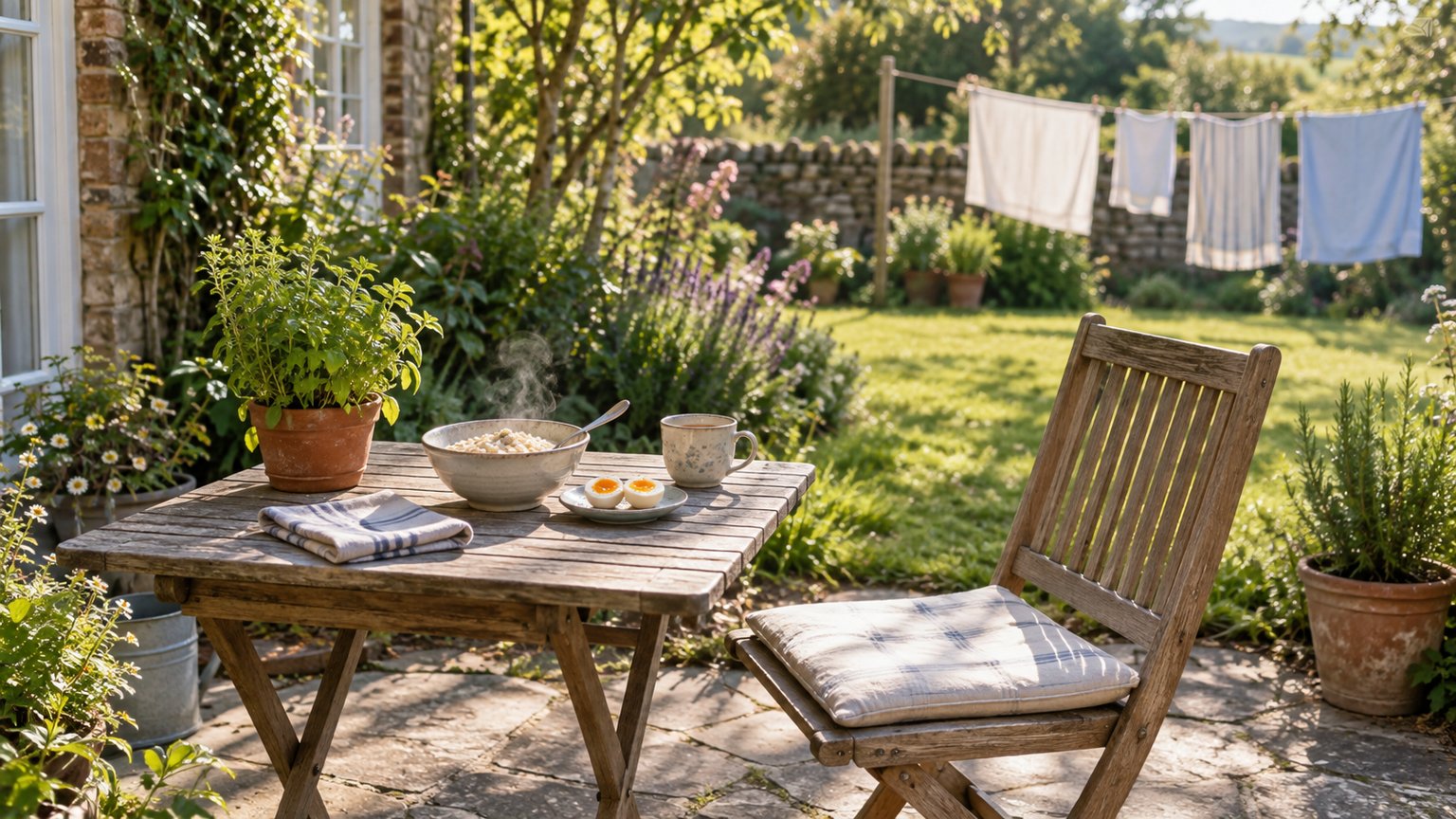
What Helps at the Table
None of this ends a flare. It makes eating during one less of a fight, and it keeps the flare from quietly shrinking your diet for good.
- Write a flare menu while you're well. Five or six simple meals and snacks you know usually sit fine for you. When the flare comes, you don't have to decide anything at the counter. You just pick one.
- Eat something small at regular times, even without much appetite. A few spoonfuls of porridge counts. It's easier on your gut than a long gap followed by a big plate.
- Sit down and slow down. Eating standing up, in a rush, braced for pain, is a stressed way to eat. Sitting, chewing slowly and breathing out long between bites tells your body the meal is not a threat.
- Don't test new foods in the middle of a flare. A flare is the worst possible time to find out whether something agrees with you. Wait until you're settled.
- Use a "wait and see" list, not a banned list. Anything you suspect goes on it, with a note to try again later. Ideally, work through it with a dietitian who knows IBS.
- Remember that the last meal is not always the culprit. Flares often follow stress, poor sleep or a rough week, sometimes by a day or two. Blaming the food is the most obvious explanation, and often not the whole one.
One boundary, stated plainly. If eating very little has become your normal, or you're losing weight, speak to your doctor. The same goes for blood in your stool, a fever, vomiting, pain that wakes you at night or keeps getting worse, or trouble swallowing. Those are not normal IBS and need to be checked. And if you have Crohn's or ulcerative colitis, contact your IBD team whenever a flare starts rather than trying to manage it with food alone.
For an ordinary IBS flare, the food is usually the easy part. Small, plain and familiar will carry you through. The harder work is not letting a few bad days decide what you're allowed to eat for the rest of the year. Your gut will settle. It helps if there's still a full plate waiting for it when it does.
Think of the foods you stopped eating after a flare. How many did you ever actually try again?
If your list of safe foods has been getting shorter every time your gut acts up, the answer isn't a stricter diet. It's a calmer way of eating through the flare and a plan for bringing foods back after it. Start here.
Get the Mind-Gut Reset Workbook →