The appointment was going fine. You described the cramps, the mornings, the way your gut tightens before anything that matters. Your GP listened, nodded, typed for a moment, and then said it: "There's a medicine I'd like you to try. It's an antidepressant, but…"
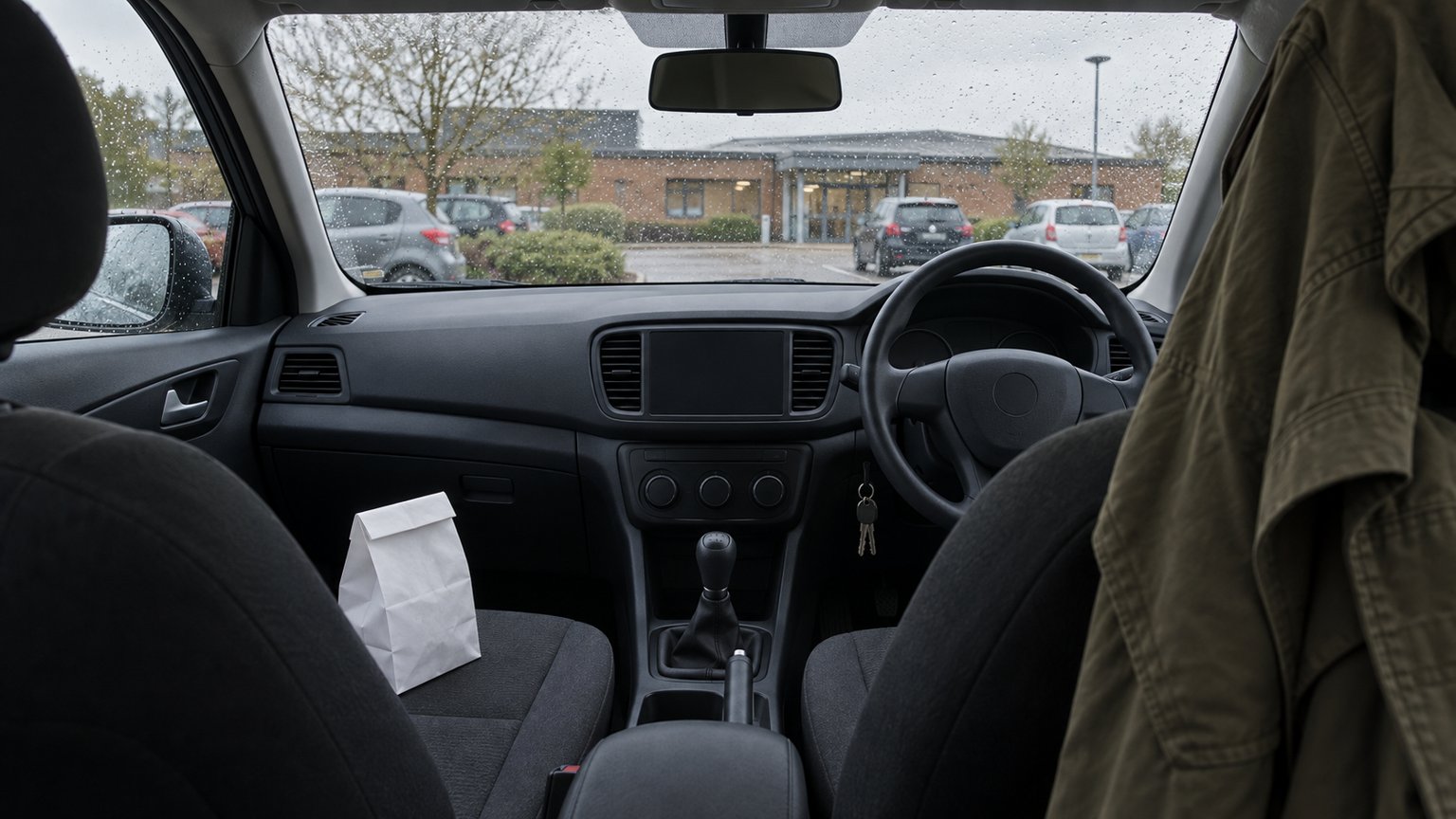
You didn't hear much after "antidepressant". Something in your chest went hot. So they think it's in my head. Twenty minutes later you're sitting in the car park with the prescription on the passenger seat, not sure whether to go to the pharmacy or just drive home.
If that moment is familiar, this post is for you. Not to talk you into the tablet, or out of it, but to look at what the word "antidepressant" set off in you, because that reaction is worth understanding before you decide anything.
A prescription is one part of the picture. The stress, the worry and the old feelings that come up around your symptoms are another part, and that part is worth mapping on paper too.
Get the Mind-Gut Reset Workbook →
Why One Word Can Feel Like Being Dismissed
If you live with IBS, the hurt in that moment may not be new. It can land on top of older moments. The teacher who said you were "making a fuss". The relative who called it "nerves". The first doctor who said everything looked fine and sent you home without a plan. You may have spent years trying to prove that the pain is real.
So when a doctor mentions an antidepressant, it can sound like the verdict you were afraid of: you're anxious, and that's all this is. The body reacts before you've had time to think. Your jaw sets. You go quiet, or you argue. You leave without asking the questions you came with.
Imagine Lena, who has had IBS since her twenties. When her GP suggested amitriptyline, she heard her father's voice from when she was fifteen, telling her the stomach aches were "all in your head, just go to school". She said "I'll think about it", and the prescription sat in a kitchen drawer for three months. Not because she'd decided against it, but because taking it felt like admitting he'd been right.
That is the part worth looking at. An old feeling, never quite put down, was making the decision for her.
What the Doctor Is Actually Offering
The NHS is plain about this. If pharmacy medicines aren't helping with IBS, a GP may prescribe a stronger medicine, such as amitriptyline or citalopram. These are antidepressants, but they can also help ease IBS symptoms. In IBS, it is offered for the gut symptoms. It is not a verdict on your mind.
Crohn's & Colitis UK says the same thing from another angle: antidepressants are known to help with gut symptoms in other conditions, like irritable bowel syndrome.
The NHS is also honest about the limits. These medicines may take a few weeks to start working and can cause side effects. That's worth knowing before you start, so a slow first fortnight doesn't feel like failure.

Your Gut and Your Mind Are Talking Anyway
Here is the part that can take the sting out of the word. Crohn's & Colitis UK describes the gut-brain axis as a direct two-way link between the gut and the brain, and says that it's not clear exactly how this link works, but there are several ways your gut and brain communicate, such as nerve signals, hormones and other chemicals.
Two-way means the pain is not "in your head" and it is not "only in your gut" either. The NHS says the exact cause of IBS is unknown and that it has been linked to things like oversensitivity in your gut and stress. On its list of things that can trigger a flare-up, it names stress and anxiety, next to alcohol, caffeine and certain foods.
So if anxiety is part of your IBS, that doesn't make the IBS less real. It means there is more than one door into the problem, and medicine is one of them.
Questions Worth Taking Back to Your GP
If the first appointment ended with you going quiet, you're allowed to go back. Some questions that can help:
- Is this for my gut symptoms, my mood, or both?
- How long should I give it before we decide whether it's working?
- What side effects should I watch for, and what do I do if I get them?
- What else could help alongside it?
Saying out loud "when you said antidepressant, I felt dismissed" is allowed too. A good doctor would rather know. Whether to start, change or stop any medicine is a decision to make together with your doctor, never alone.
Before the next appointment, write down when your gut flares and what was on your mind in the hours before. It gives you and your doctor something real to look at together.
Get the Mind-Gut Reset Workbook →Medicine and Mind Work Can Sit Side by Side
A tablet isn't the only option on the table, and it doesn't have to be the only one you use.
- Talking therapy. The NHS says a GP may refer you for a talking therapy such as CBT, which can help if stress or anxiety is triggering your symptoms, and can also help you cope with your condition better. You can also refer yourself directly to an NHS talking therapies service.
- Gut-directed hypnotherapy. A 2025 review of 12 studies involving 1,158 people with IBS concluded that gut-directed hypnotherapy may improve overall IBS symptoms, and it improved pain more than the treatments it was compared with. The results varied a lot between studies, so "may" is the honest word.
- Brain-gut psychotherapies in general. The Rome Foundation says there is now adequate evidence to support the integration of brain-gut psychotherapies into gastroenterology care.
None of these replaces what your doctor prescribes. They are aimed at a different part of living with IBS: the worry, the bracing and the way you cope.

It Was Never "Just in Your Head"
The NHS is clear that IBS can be very frustrating to live with and can have a big impact on your everyday life, and also that diet changes and medicines can often help control the symptoms. Feeling much better is possible, and there is more than one way to get there.
One boundary, stated plainly. The NHS says to ask for an urgent GP appointment or get help from NHS 111 if you have lost a lot of weight for no reason, are bleeding from your bottom or have bloody diarrhoea, or find a hard lump or swelling in your tummy.
Lena did go back to her GP. She told them about the drawer, and about her father. They talked it through, and she left with the same prescription and a referral for talking therapy, and this time with a plan she had chosen. The word hadn't changed. What had changed was that the fifteen-year-old wasn't making the decision any more.
When you heard the word "antidepressant", whose voice did you hear first: your doctor's, or someone from long ago?
Whatever you and your doctor decide about medicine, the stress and the old feelings that come with your IBS are still worth working on. Start here.
Get the Mind-Gut Reset Workbook →