
This isn't the mild, pleasant drowsiness people joke about after a big Sunday roast. It's heavier than that. You read the same email three times. You stand up to get water just to stop your head dropping. You start to wonder, not for the first time, whether you should skip lunch altogether so the afternoon stays usable.
If you live with Crohn's disease or ulcerative colitis, you may know this crash well. People type IBD fatigue after eating into a search bar because it's hard to explain to anyone else, and because a part of them worries it means they're lazy, or making it up. You're not.
The crash is easier to deal with once you can see its pattern: which meals, which days, which weeks. The workbook starts with a simple daily log that tracks energy alongside your gut, so you're working from your own notes instead of guesses.
Get the Mind-Gut Reset Workbook →
Why a Meal Can Knock You Flat
Fatigue gets talked about far less than pain or the toilet, but for plenty of people with Crohn's or colitis it's the symptom that shapes the day. And the hour after a meal is often when it lands hardest. There isn't one single reason. It's usually several things stacking up at once.
- Digesting is work. After you eat, your body sends more of its attention to your gut, and your nervous system shifts toward "rest and digest". Anyone can feel a bit slower after a meal. When your energy is already running low, that ordinary dip can feel like a wall.
- The disease itself. Fatigue is part of living with IBD for many people, during flares and sometimes in quieter spells too. Your IBD team can tell you what it might mean in your case.
- Things in your blood. Low iron and some low vitamin levels can make you feel drained, and they're easy to miss unless someone checks. It's a fair question to ask at your next appointment.
- Sleep that doesn't restore you. If you were up in the night for the toilet, or lay awake worrying about tomorrow, a meal can be the thing that tips a tired body over.
- The tension of eating at all. If eating comes with a quiet worry about what it will do to your gut, you spend the meal braced. Staying on guard takes energy, and when the meal is over, the body often drops hard.
None of this means the tiredness is in your head. It means it has causes, and some of them can be looked at.
What to Ask Your IBD Team
Fatigue can feel too vague to bring up in a short appointment, next to the "real" symptoms. Bring it up anyway. It affects your work, your mood and your relationships, and it's a legitimate part of your condition.
- Tell them it happens after meals, and how long it lasts.
- Ask whether your recent blood tests have looked at iron and vitamin levels, and whether anything should be rechecked.
- Ask whether the fatigue could be a sign your disease is more active than it seems.
- Mention any changes in sleep, especially night-time toilet trips.
Keep taking whatever you've been prescribed as agreed while you ask. If you have questions about a medicine and tiredness, that's a conversation for your IBD team, not something to change on your own.
Planning a Workday Around the Crash
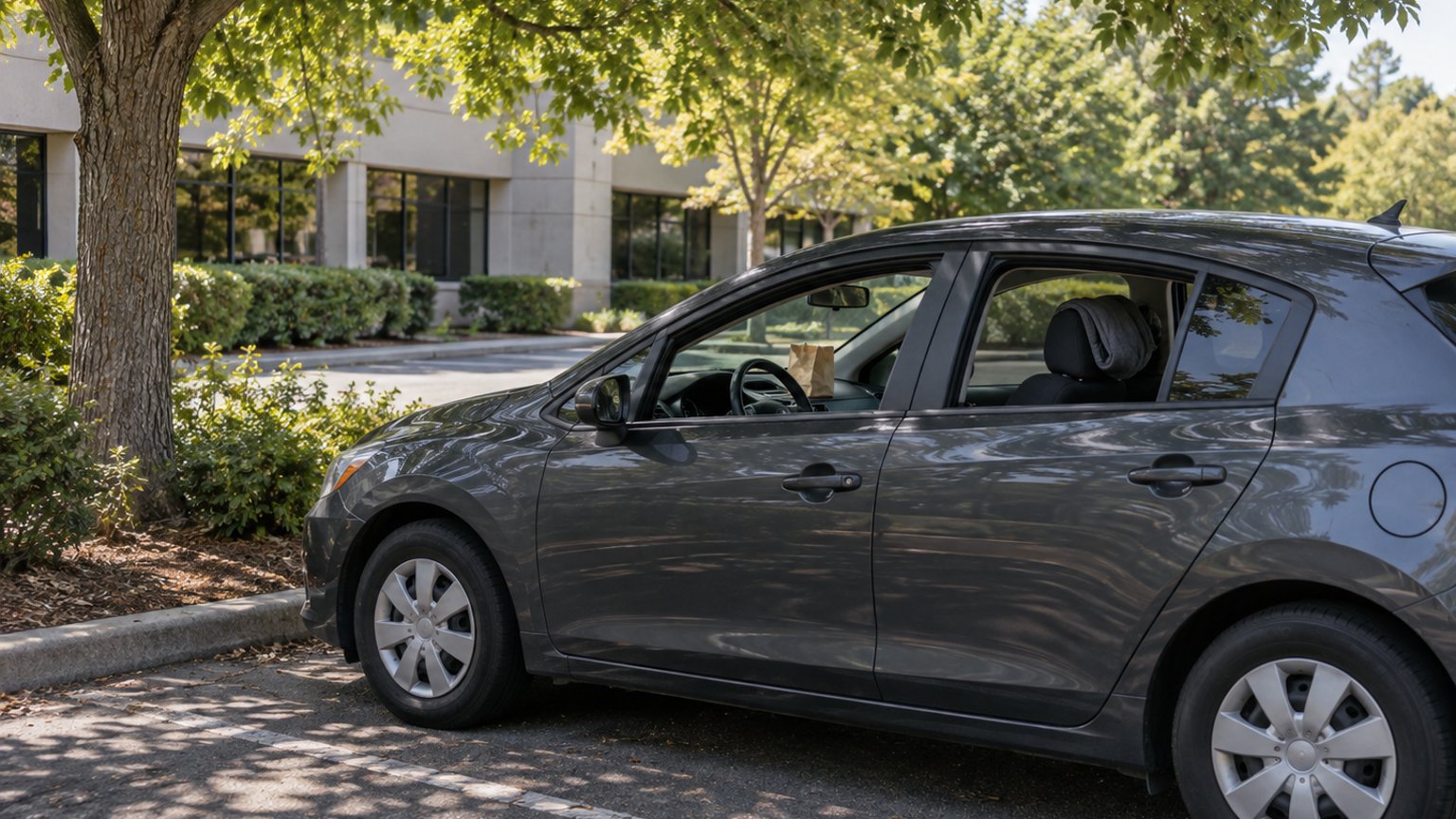
Whatever is behind it, the afternoon still has to happen. A few small changes can make it less of a cliff.
- Smaller lunches, not no lunch. Skipping food to stay alert tends to backfire later: you eat a large dinner on an empty tank, and the evening goes the same way. Splitting lunch into two smaller meals, an hour or two apart, can make each dip gentler.
- Move the hard work. If you can, put the tasks that need the sharpest thinking in the morning, and leave the more routine ones, like tidying email or filing, for the hour after lunch.
- A short walk, not a workout. Ten slow minutes outside after eating can take the edge off the heaviness for some people. Daylight helps too.
- Eat slowly, somewhere you can relax. Eating at your desk while answering messages keeps you braced. Even fifteen minutes away from the screen gives your body a calmer meal.
- Write it down. Note what you ate, how you slept and how the afternoon went. After two or three weeks you may see a pattern your memory would have missed.
Two lines a day, energy and gut side by side. That's the log the workbook builds, and it's the kind of record that makes an appointment with your IBD team more useful.
Get the Mind-Gut Reset Workbook →Telling People at Work
The hardest part for some people isn't the tiredness. It's being seen as someone who can't keep up. You don't owe anyone your medical history. But a single sentence to a manager you trust can change a lot: "I have a condition that can make me very tired after meals, so I work best when my hardest tasks are in the morning."
Depending on where you live, a long-term condition like Crohn's or colitis may give you the right to ask for reasonable changes at work, such as flexible hours or a quiet place to rest for ten minutes. It's worth finding out what applies to you.

An Afternoon That Works
Imagine Anna, who has had colitis for six years. For a long time she ate nothing until she got home, because lunch made her useless for the afternoon. By seven in the evening she was starving, ate too much too fast, and spent the evening on the sofa feeling rough.
Now she eats half her lunch at twelve and the other half at two. She keeps her meetings in the morning, and takes a ten-minute walk around the block after the first half. She asked her IBD team about her energy, and they rechecked her bloods. Some afternoons are still heavy. But they aren't lost anymore, and she no longer feels she has to hide it.
Tiredness after eating with IBD is not a character flaw. It's a real part of living with the condition, and it deserves the same attention as any other symptom.
When did you last tell your IBD team how tired you really are?
If your energy feels random, the Mind-Gut Reset Workbook helps you see what's behind it. It gives you 30 days of simple tracking and calming practice, used alongside the care your IBD team provides.
Get the Mind-Gut Reset Workbook →